
"Stop Waiting for Perfect Credit”: How Buying a Home in KatyCypress Really Works in 2026
Stop Waiting for "Perfect" Credit: How Buying a Home in Katy/Cypress Really Works in 2026

A lot of people are sitting on the sidelines because they think they need an 800 credit score, a giant down payment, and a miracle to buy a home. That’s just not how it works.
If your middle credit score is around 620, you may already be in the game with the right loan program, lender, and game plan. The bigger risk isn’t “buying wrong”it’s waiting so long that prices and rates move against you while you stand still.
Here’s how the process really works in 2026, plus a breakdown of six Katy/Cypress master‑planned communities that should be on your radar if you want a lifestyle upgrade, not just a new address.
Step 1: Credit Reality Check (620 Can Be Enough)
Most loan programs look at your middle score, not the highest or lowest. A score around 620 can qualify for several mainstream mortgage options, depending on your income, debts, and overall profile.
Is higher better? Of course. But waiting years to chase a perfect score while home prices and rents climb can cost more than a slightly higher interest rate today. A good lender will:
-
Show you what you qualify for right now.
-
Run scenarios for “buy now vs. wait 12 months.”
-
Give you a simple plan to boost your score if small tweaks could move you into a better pricing tier.
If you’re not sure whether your current score is “good enough,” it might be time to stop guessing and start getting real numbers from a trusted lender instead of TikTok comments.
Step 2: Why Your Agent’s Lender Partner Matters
You can technically use any lender, but working with a loan officer your agent already knows often increases your chances of making it from contract to closing.
When your agent and lender:
-
Have closed deals together.
-
Know each other’s communication style.
-
Trust each other’s pre‑approval standards.
…your file gets fewer surprises, faster responses, and better teamwork when the underwriter asks for one more document at the last minute.
A strong local lender:
-
Can call the listing agent to back up your pre‑approval.
-
Understands local appraisals and timelines.
-
Isn’t disappearing into a national 1‑800 call center when things get urgent.
Step 3: Why Having a Buyer’s Agent Is No Longer Optional
Thanks to the Burnett v. NAR case and subsequent changes in how buyer agents are compensated, the days of “I’ll just call the listing agent” are over.
You should expect to sign a buyer representation agreement up front, so everyone is clear:
-
Who represents you.
-
How that agent is paid.
-
What happens if the seller doesn’t offer enough compensation.
It protects you, clarifies expectations, and keeps your interests separate from the seller’s. Treat choosing an agent like choosing a financial partner—you’re trusting this person with one of the biggest transactions of your life.
Step 4: Get Pre‑Qualified (for Real)
This is where your lender partner earns their keep. A real pre‑qualification (or better, a pre‑approval) should include:
-
Pulling credit and reviewing your middle score.
-
Looking at income, debts, and savings.
-
Running your scenario through automated underwriting.
The goal: know your monthly payment comfort zone, not just your maximum purchase price. That number will drive smart decisions later when you’re excited about a house that “just might be a stretch.”
Step 5: Begin the Search
Once you know what you can afford, it’s time to translate numbers into neighborhoods.
This is where lifestyle questions matter:
-
Commute vs. work‑from‑home balance.
-
Schools vs. nightlife vs. amenities.
-
Desire for walkable pockets vs. more space and privacy.
Your agent should be the one saying, “Based on your budget and wish list, here’s where we should focus first.”
Step 6: Find the Home & Write a Smart Offer
When you find “the one,” don’t just throw a random number at it. A smart offer considers:
-
Recent sales in the neighborhood.
-
Days on market and competition.
-
Seller motivation (relocation? already bought another home?).
-
Your financing strength and flexibility on timing.
Sometimes the best offer isn’t the highest—it’s the cleanest. That might mean:
-
Strong pre‑approval.
-
Appropriate option/inspection period.
-
Reasonable closing timeframe.
Step 7: Negotiate (Without Losing the Deal)
If counters come back:
-
Decide what’s truly non‑negotiable vs. “nice to have.”
-
Use inspection results, appraisal data, and market conditions to support your position.
-
Avoid nickel‑and‑diming over things you can fix later if it risks losing the home over a few hundred dollars.
Good negotiation protects your interests without killing the relationship with the seller.
Step 8: Appraisal & Inspections
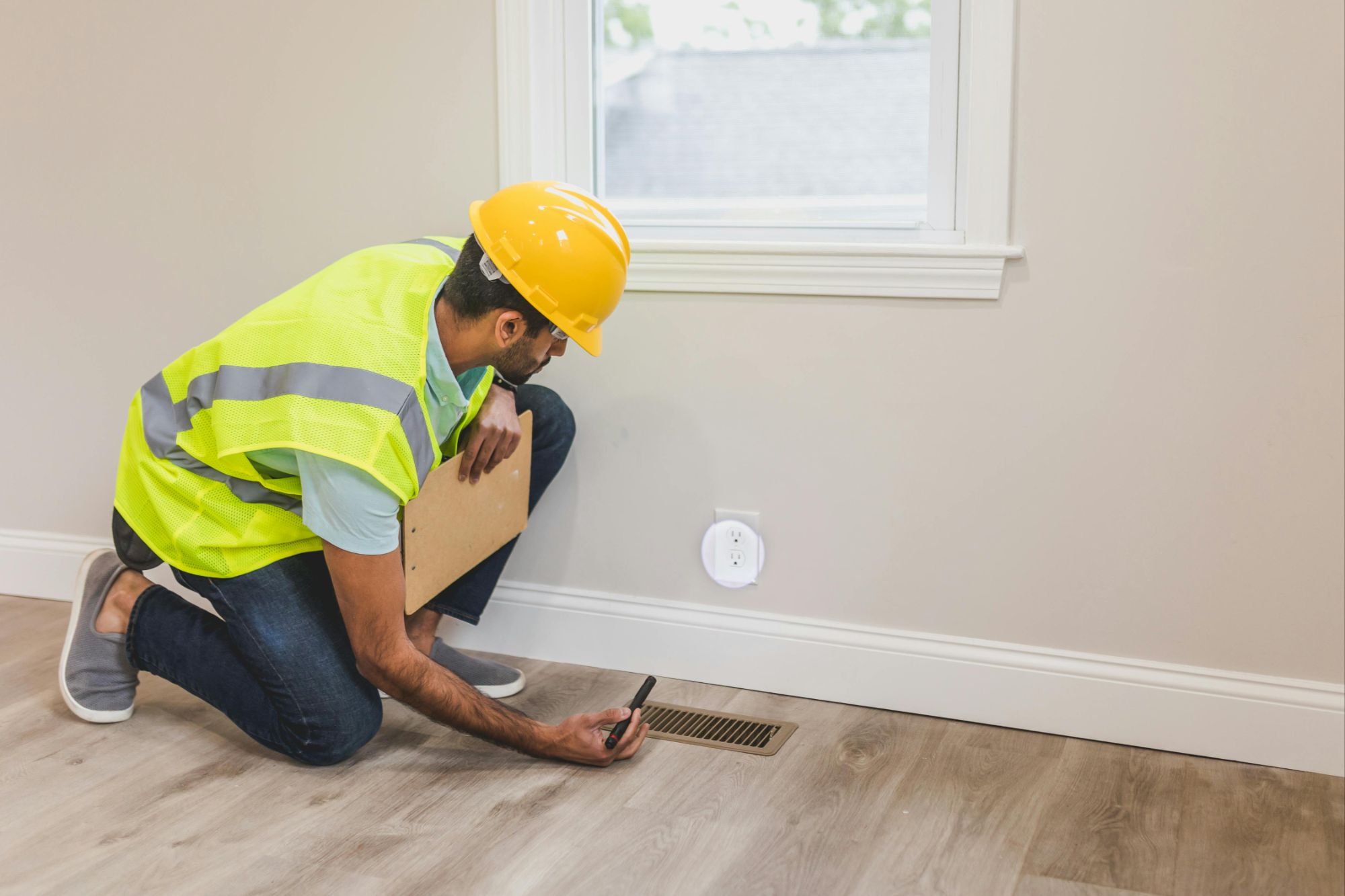
Once you’re under contract, the due‑diligence phase starts:
-
Appraisal – The lender wants to confirm the home is worth what you’re paying. If it comes in short, you and your agent decide whether to renegotiate, challenge, or bring extra cash.
-
General home inspection – A third‑party inspector reviews systems, roof, foundation, plumbing, and more. The goal isn’t to get a “perfect” report—it’s to know what you’re buying.
-
VA loans – Add a pest/termite inspection on top of the standard general inspection.
This is where surprises surface, and where an experienced agent helps separate “normal homeownership stuff” from “red flag, let’s talk.”
Step 9: Clear to Close & Closing Day
Once underwriting signs off on everything—income, assets, appraisal, title—you’ll hear the three sweetest words in real estate: clear to close.
On closing day, you’ll:
-
Review and sign final loan + title documents.
-
Bring your funds to close (wire cashier’s check per title instructions).
-
Get your keys and take the hallway selfie every new homeowner takes.
That’s the Instagram moment, but the win really started back at Step 1 when you stopped overthinking your credit score and started the process.
Top 6 Master‑Planned Communities in Katy/Cypress
If you’re focused on the Katy/Cypress corridor, here are six master‑planned communities that consistently stand out for amenities, schools, and long‑term appeal.
1. Bridgeland

Bridgeland is basically a small city built around lakes, trails, and town centers.
-
Miles of hike‑and‑bike trails, boardwalks, and nature preserves.
-
Community hubs with pools, fitness centers, and event lawns.
-
On‑site schools and neighborhood retail keep daily errands close.
It fits buyers who want a “resort‑suburb” feel with strong resale potential.
2. Towne Lake
Towne Lake is all about the water lifestyle.
-
Huge central lake with boat docks, waterfront dining, and marina access.
-
Lakeside trails and parks, community pools, and clubhouses.
-
Mix of townhomes, single‑family homes, and higher‑end waterfront properties.
If you like the idea of sunset cruises, paddle‑boarding, or just looking at water instead of rooftops, this is your spot.
3. Elyson
Elyson blends modern suburban living with community‑first design.
-
Amenity centers, pools, playgrounds, and walking trails woven through the neighborhood.
-
Coffee, dining, and services in the community or very close by.
-
Strong school zoning and active HOA events.
Elyson works well for buyers who want newer construction with a close‑knit feel.
4. Cross Creek Ranch
Cross Creek Ranch leans into nature and design.
-
Lakes, greenbelts, and pocket parks everywhere.
-
Resort‑style pools, fitness centers, and trails.
-
A mix of price points, with options for move‑up buyers and those wanting something a bit more upscale.
It’s a great match if you want pretty views, outdoor living, and that “well‑kept community” look.
5. Marvida
Marvida is one of the newer entries on the scene, and it’s designed to compete.
-
Lagoon‑style amenities, multiple pools, and splash zones.
-
New‑construction homes with modern layouts and energy‑efficient features.
-
Easy access to nearby retail and commuter routes.
Ideal if you want something fresh, fun, and amenity‑heavy without paying the premiums of older, fully built‑out communities.
6. Sunterra
Sunterra is all about resort vibes and future growth.
-
Crystal‑lagoon–style amenities and pool complexes.
-
Focus on lifestyle—community events, outdoor spaces, and recreation.
-
A range of builders and floor plans for different budgets.
If you want to feel like you live at a family‑friendly resort most days of the year, Sunterra should be on your list.
How to Actually Tour These Areas the Right Way
Driving through a neighborhood for five minutes isn’t the same as understanding how it really lives.
A good strategy:
-
Tour at different times of day (school drop‑off, weekend afternoons, evenings).
-
Visit amenity centers, parks, and nearby shopping, not just the model homes.
-
Ask specific questions about tax rates, HOA fees, and future sections or construction.
If you want a curated tour instead of guessing, text “HOME” to 281‑377‑7211 and we’ll build a route that actually fits your budget, commute, and lifestyle—not just the prettiest photos online.

Ready to Stop Scrolling and Start Owning?
You don’t need perfect credit. You don’t need to do this alone. You just need:
-
A realistic look at your 620‑ish middle score (or better).
-
A lender and agent who actually talk to each other.
-
A clear plan from pre‑qual to keys.
Ready to see what buying in Katy/Cypress could look like for you?
Text “HOME” to 281‑377‑7211 to:
-
Get connected with a lender I trust.
-
Map out your budget in today’s numbers.
-
Tour Bridgeland, Towne Lake, Elyson, Cross Creek Ranch, Marvida, or Sunterra with someone who knows how they really live.
Save this. Share it with someone still waiting on a “perfect” credit score.
Save it. Share it. Thank me later. — Mickey Lawrence
Categories
Recent Posts